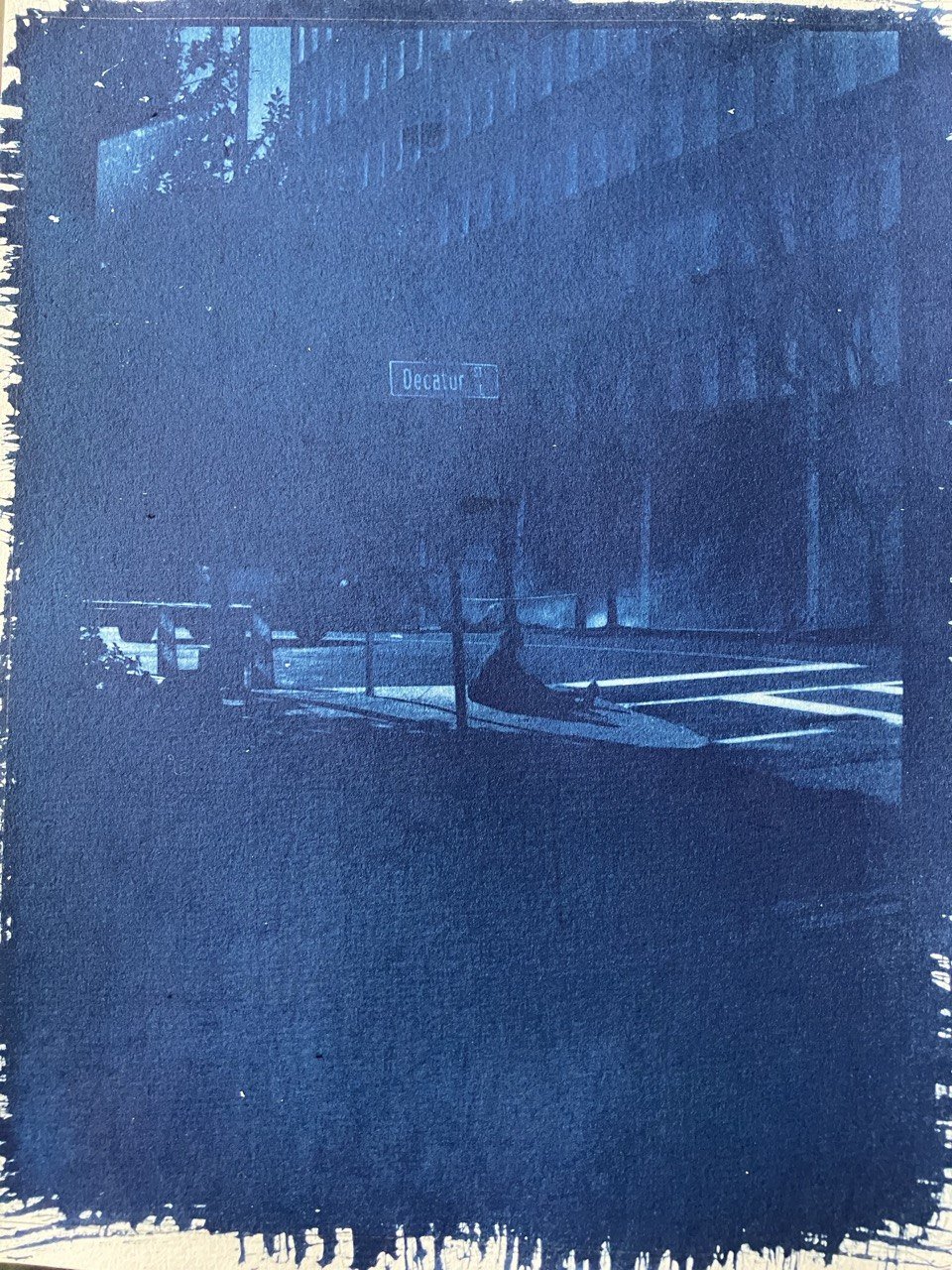
The Blue moments: My Journey with Cyanotype
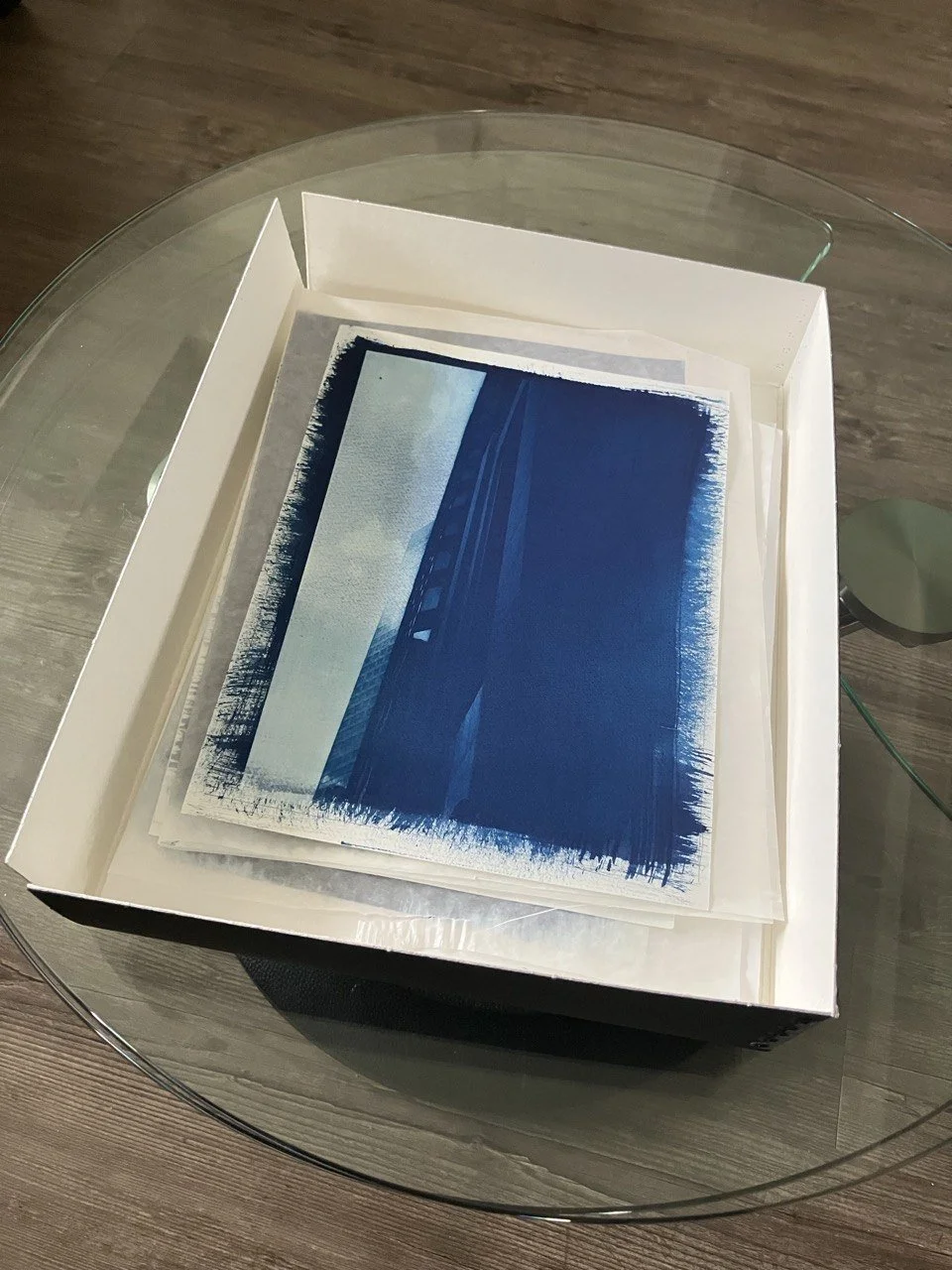
There is a specific kind of magic that happens when you pull a piece of paper out of a tray of water, watching a ghostly negative slowly transform into a vibrant, electric blue. As a photographer who has spent years looking at black and white prints, I decided to step away from the products of darkroom safelights and with the huge help of my lovely partner I recently discovered and chose to dive into the sun-drenched world of cyanotype.
This isn’t just a new printing method; it is a rediscovery of how light, chemistry, and patience can turn a static image into a living, breathing piece of art.
A Brief History of the "Blueprint"
Before it became a favorite among fine art photographers, the cyanotype was the world’s most famous industrial tool. Invented in 1842 by Sir John Herschel, this process was originally designed for creating technical drawings and architectural plans. Because of the deep Prussian blue color that defined these documents, the term "blueprint" entered our language as a synonym for a plan or a design.
For over a century, architects and engineers used it to reproduce drawings. But in the late 19th century, pioneers like Anna Atkins saw its artistic potential. She used cyanotypes to create the first book illustrated with photographs, documenting algae and botanical specimens. While the industry moved on to other methods, the cyanotype remained a beloved alternative process for artists who wanted to bring a touch of history and a splash of color to their monochrome work.
From Monochrome to Vibrant Blue
The most striking thing about cyanotype is the alchemy of the development process.
In traditional black and white photography, the image is fixed in shades of gray, black, and white. It is a world of subtle tonality. But with cyanotype, the black and white negative acts as a mask for UV light. When you coat a piece of paper with a mixture of ferric ammonium citrate and potassium ferricyanide, it sits there looking like a pale, yellowish wash.
You place your negative on top, expose it to sunlight (or a UV lamp), and then rinse it in water and boom you have your image reflecting back to you.
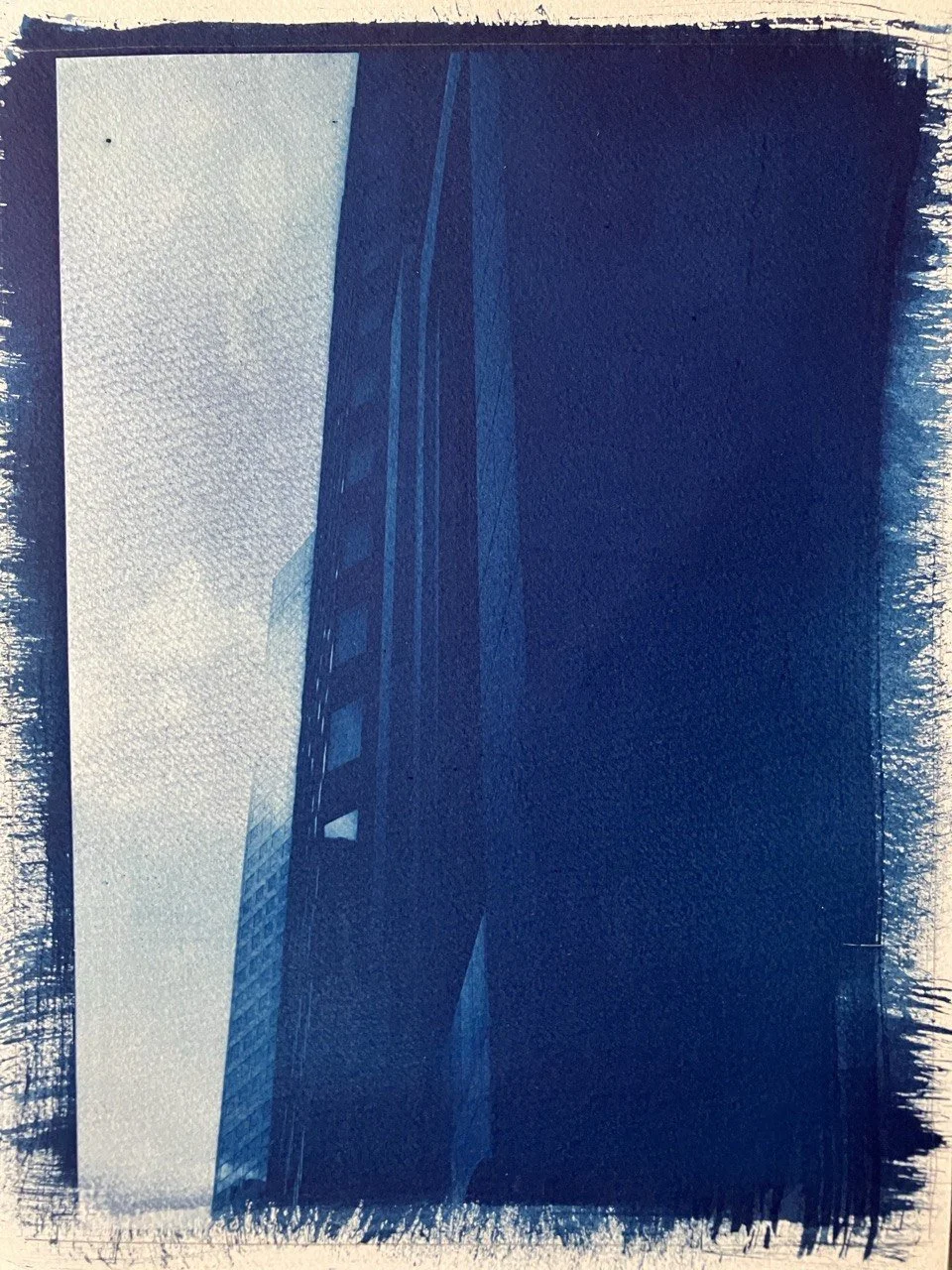
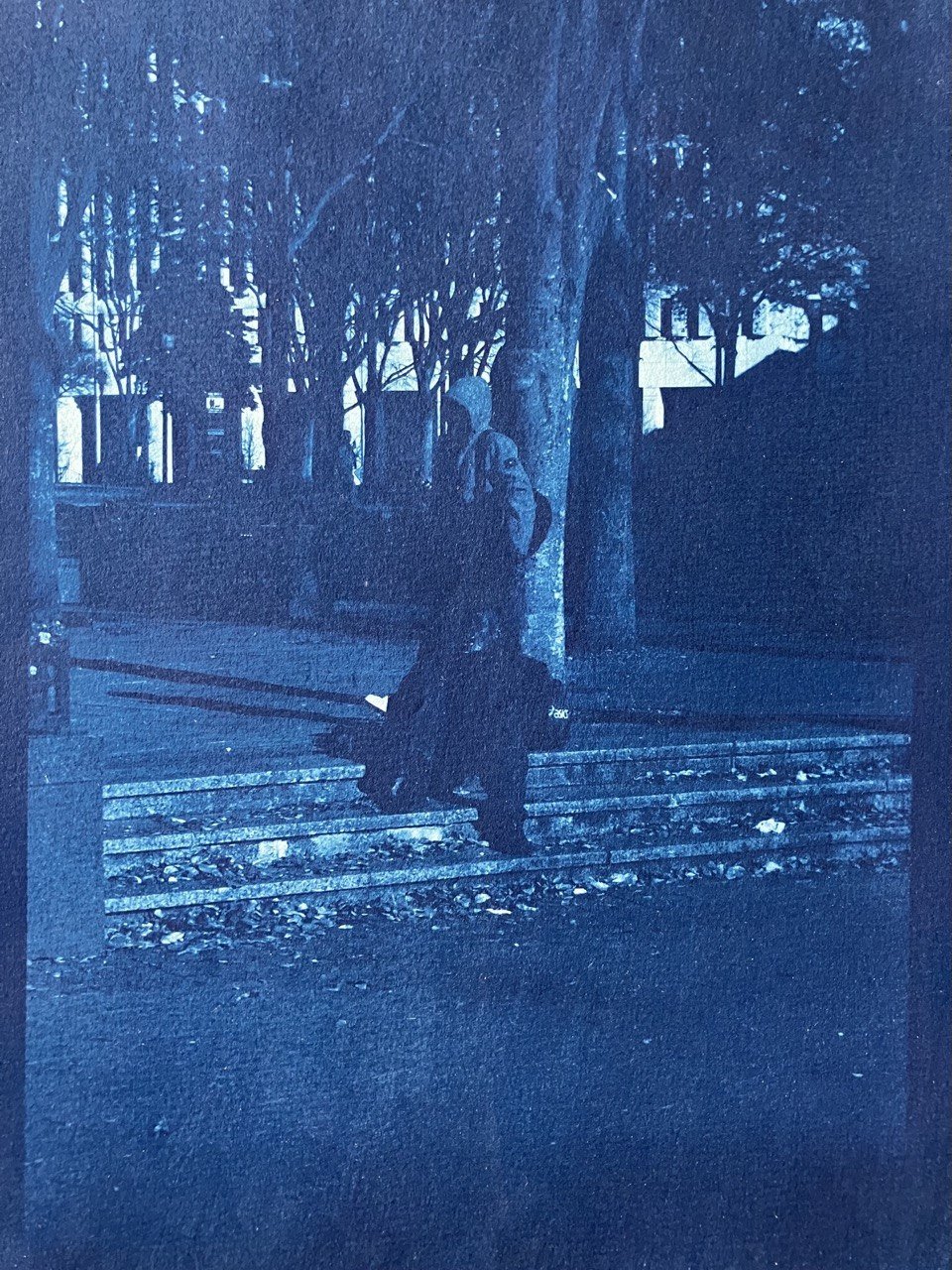
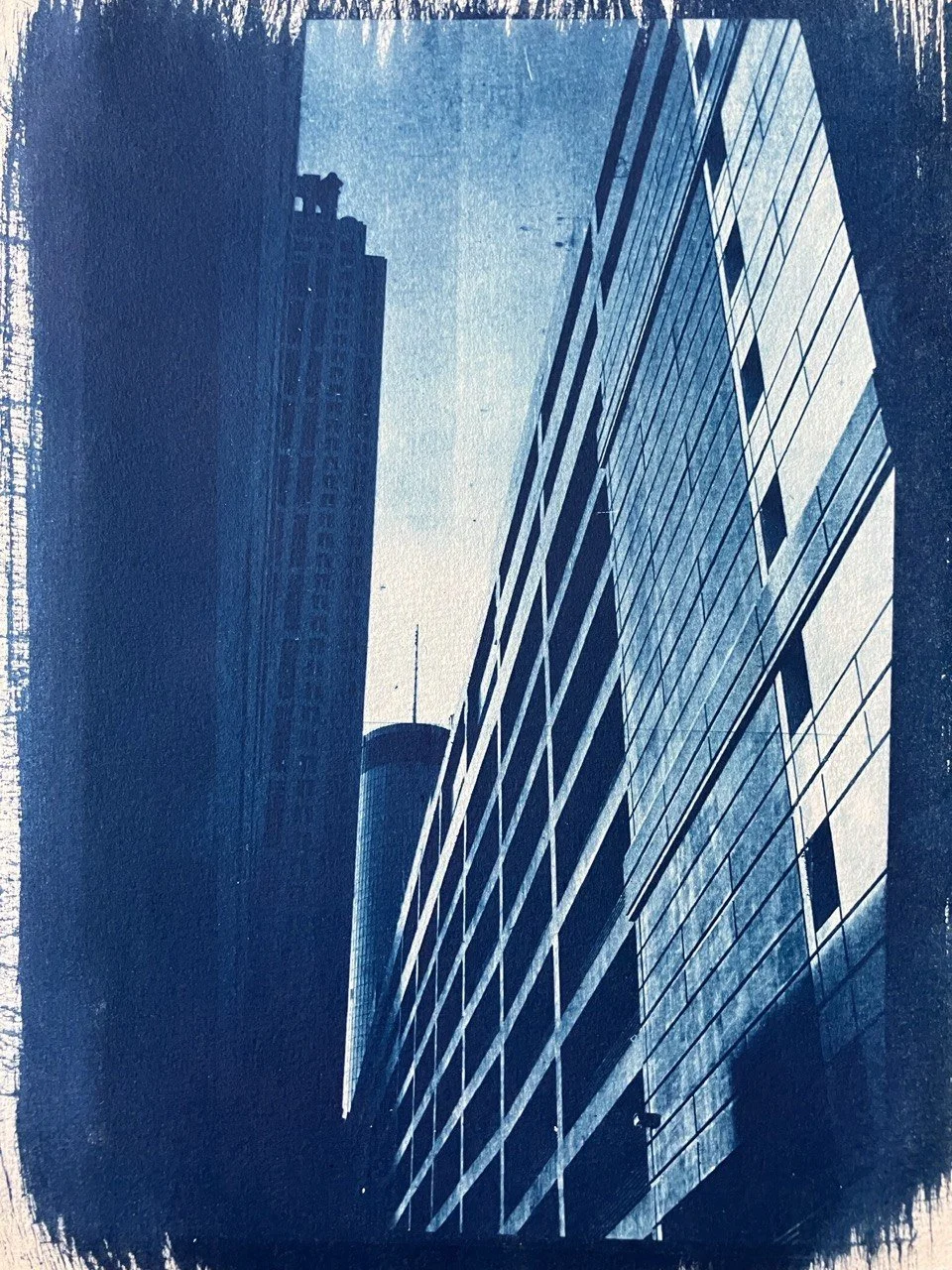
As the water washes away the unexposed chemicals, the image doesn't just appear; it blooms. The areas that were dark in your negative turn a deep, rich blue, while the highlights remain white. Watching the image develop in the tray is an experience of pure anticipation. The contrast shifts, the details sharpen, and suddenly, your black and white photograph has taken on a new, luminous shape. It feels alive. The "blue" isn't flat; it has depth, vibrancy, and a warmth that feels almost organic.
A Work in Progress
I want to be clear: I am not a master of this process . I am a student, an explorer, and honestly, just having fun with it.
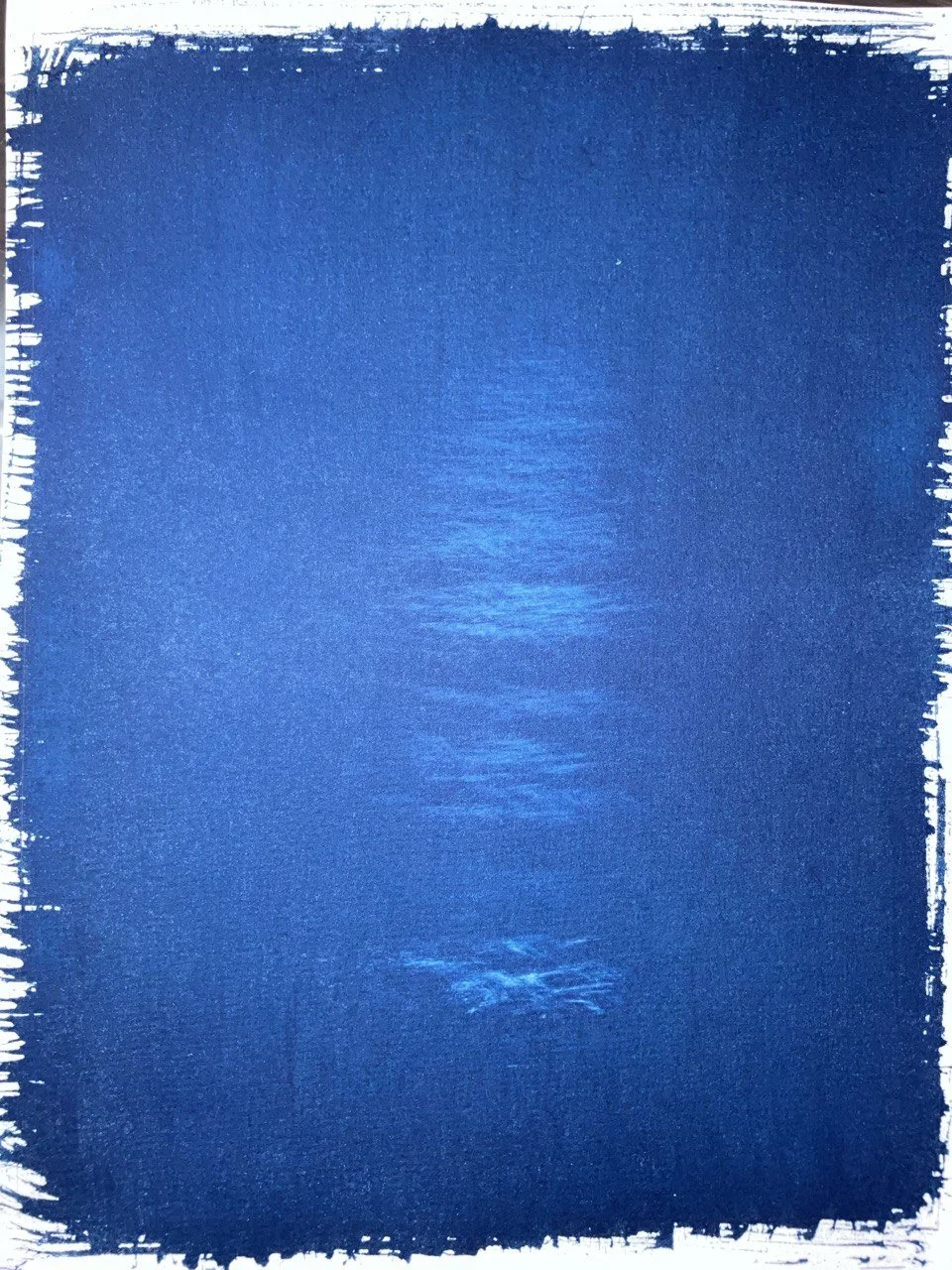
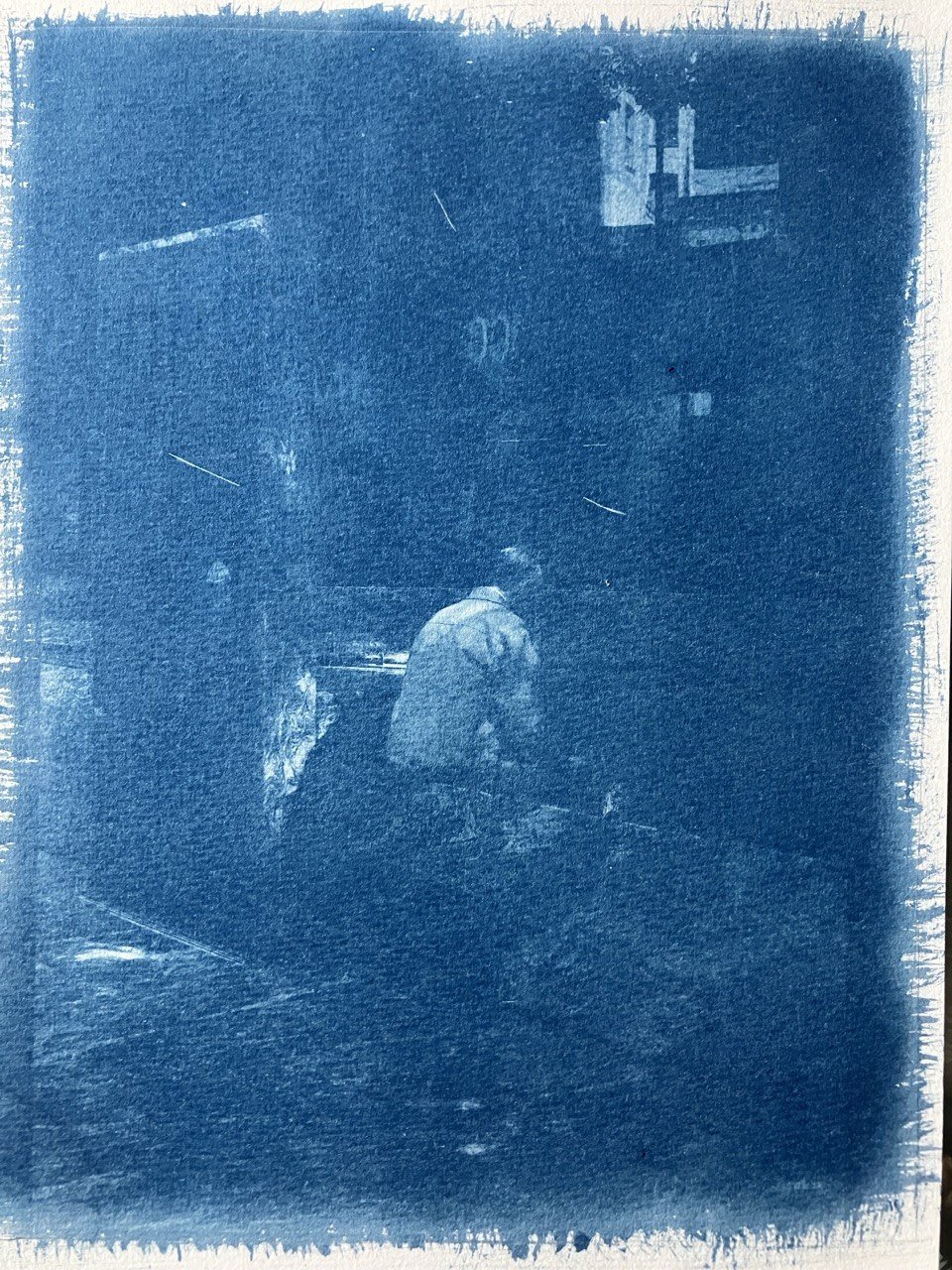
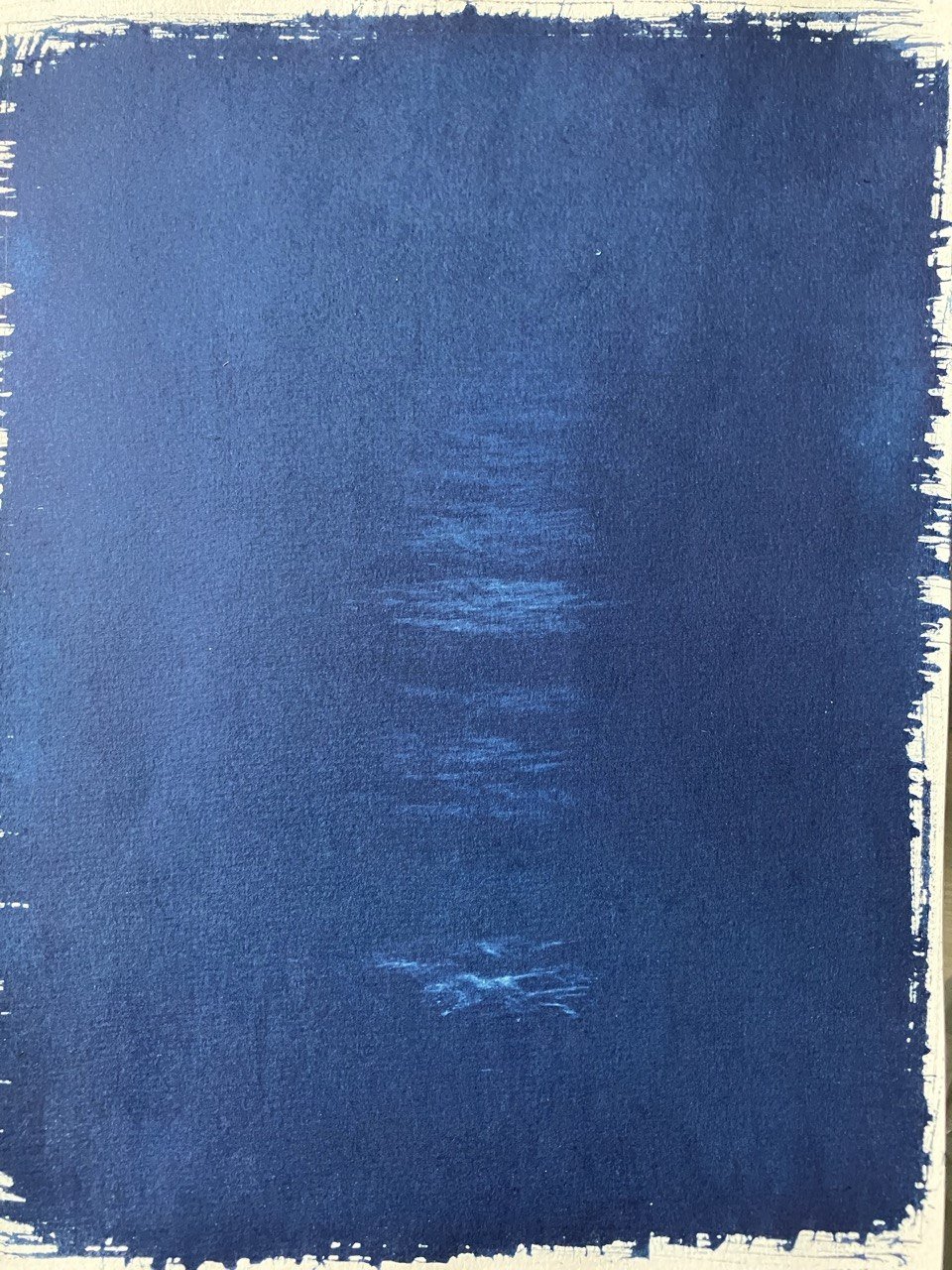
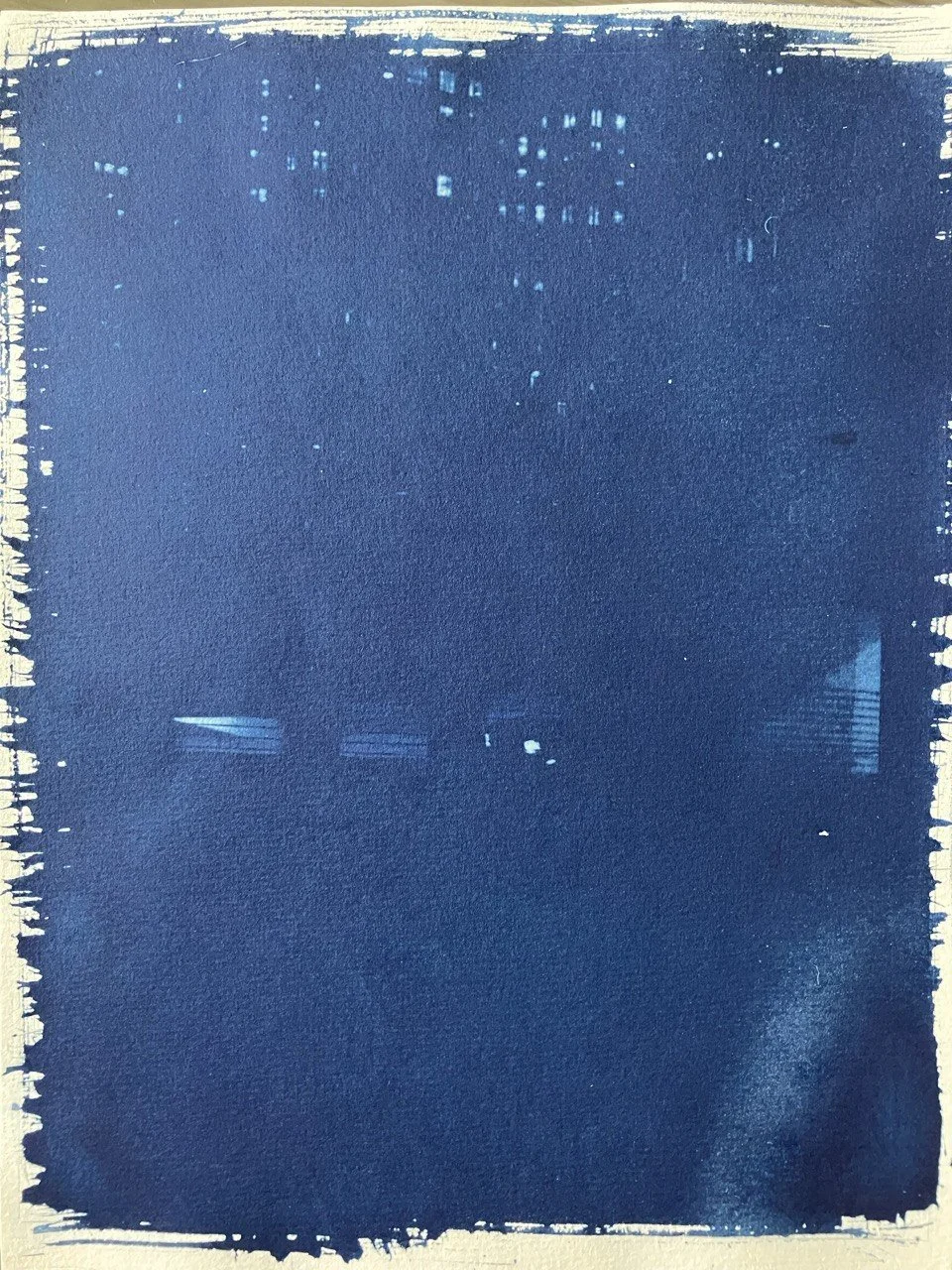
There are days when the exposure time is wrong, and the image is hard to make out. There are moments when the chemistry mixes don’t quite hit the mark, leaving a muddy tone instead of that crisp Prussian blue. But that is part of me having fun with it. This is a work in progress. Every print is an experiment, a conversation between the light, the chemicals, and my vision.
I’m learning how to manipulate the contrast, how to layer tones, and how to let the imperfections become part of the story. There is a freedom in this process that I haven't felt in years. It’s not about perfection; it’s about the discovery. It’s about the thrill of seeing a familiar image I’ve photographed suddenly look new, bold, and utterly unique because of the vibrant blue it’s wearing.
Stick with me on the journey
I’ll be sharing my successes, my failures, and the beautiful, unexpected blue moments in between. The journey is just beginning, and I can’t wait to see what develops next.
*Stay tuned for more prints, more experiments, and more blue.*